Free AI Tools for Content Marketing: An EEAT-Driven Guide for Sustainable Growth
Content marketing has evolved significantly in recent years. In 2026, success is no longer defined by how much content you publish, but by how useful, credible, and experience-backed your content is. Google’s algorithms now prioritize content that demonstrates real expertise, first-hand experience, and trustworthiness.
This is where free AI tools for content marketing play a strategic role—not as shortcuts, but as intelligent assistants that help marketers create higher-quality, search-aligned content efficiently.
This guide explains how to use free AI tools responsibly while meeting Google’s EEAT standards.
Why EEAT Matters in Content Marketing Today
Google evaluates content using multiple quality signals, especially for informational and marketing-related topics. The EEAT framework focuses on:
Experience: Has the content creator actually worked with the topic?
Expertise: Is the information accurate and in-depth?
Authoritativeness: Does the website demonstrate topical authority?
Trustworthiness: Can users rely on this content?
Free AI tools for content marketing help scale content creation, but EEAT must come from the human behind the content, not the tool itself.
Can AI-Generated Content Rank on Google?
Yes—when used correctly.
Google does not penalize AI-assisted content. It penalizes:
Thin content
Rewritten content with no added value
Content written only for rankings, not users
When free AI tools for content marketing are used to support research, structure, and clarity, and combined with genuine insight, content can rank competitively and remain stable across core updates.
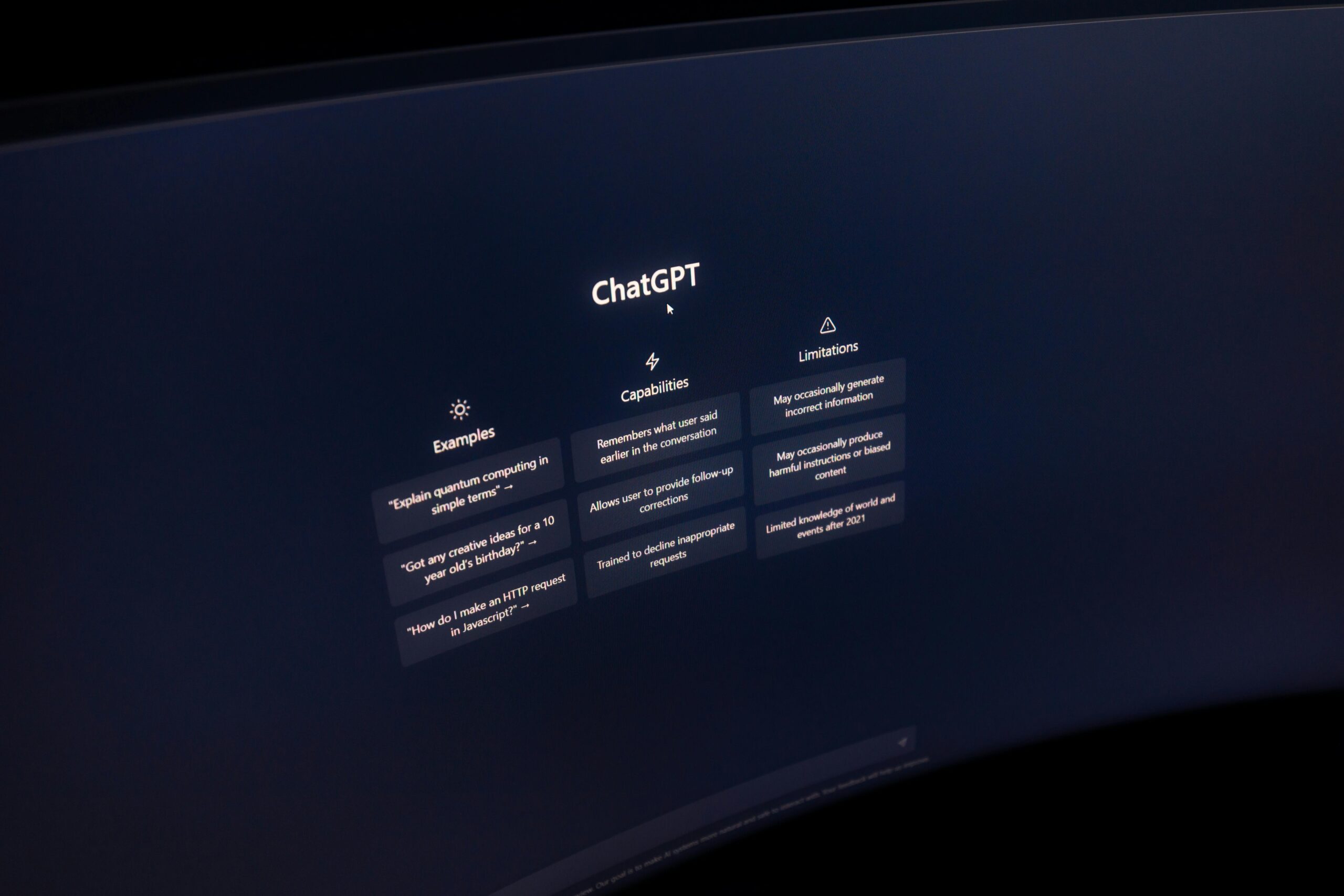
1. ChatGPT (Free Version)
ChatGPT is one of the most widely used free AI tools for content marketing, especially for planning and drafting.
Best professional use cases:
Creating SEO-aligned blog outlines
Structuring long-form content
Generating FAQ sections based on intent
Repurposing content across platforms
EEAT best practice: Always add real examples, brand experience, and original analysis. Never publish raw AI output.
2. Google Gemini
Google Gemini provides strong contextual understanding, making it highly useful during the research phase.
Why it’s effective:
Aligns closely with how Google interprets queries
Helps expand topics naturally
Useful for validating content relevance
Among free AI tools for content marketing, Gemini excels at ensuring your content matches search intent, which directly impacts rankings.
3. Canva AI (Magic Write & Design Tools)
Visual experience is part of trust and engagement.
Canva’s AI tools help with:
Blog graphics and infographics
Social media creatives
Lead magnet design
Branded content visuals
For marketers without a design team, Canva is one of the most practical free AI tools for content marketing.
4. AnswerThePublic (Free Plan)
EEAT-focused content must answer real user questions.
AnswerThePublic helps identify:
Long-tail keywords
Common user concerns
Informational gaps
Using this tool ensures your content is user-first, making it one of the most valuable free AI tools for content marketing from an SEO standpoint.
5. Grammarly (Free Version)
Trust starts with clarity.
Grammarly improves:
Grammar and spelling
Tone consistency
Readability and flow
Clear communication improves dwell time and credibility—both indirect ranking signals. This makes Grammarly a foundational free AI tool for content marketing.
6. Hemingway Editor
Hemingway helps simplify complex language, ensuring content is accessible.
It supports:
Shorter sentences
Clear structure
Improved readability
Google rewards content that users can easily understand, especially on mobile. Hemingway complements other free AI tools for content marketing perfectly.
7. HubSpot AI Content Tools (Free Access)
HubSpot offers AI support for:
Blog introductions
Meta descriptions
Marketing emails
For small businesses and beginners, HubSpot provides structured guidance, making it a reliable free AI tool for content marketing.
How to Use Free AI Tools Without Damaging EEAT
The most common SEO mistake is over-reliance on automation.
To stay aligned with Google’s quality standards:
Use AI for structure, not authority
Add personal insights and professional experience
Fact-check every claim
Optimize for users, not just keywords
Free AI tools for content marketing should enhance human expertise, not replace it.
A Professional EEAT-Friendly Workflow
A sustainable content workflow looks like this:
Topic & intent research – AnswerThePublic, Google Gemini
Content structure – ChatGPT
Drafting with insight – Human + AI collaboration
Visual enhancement – Canva AI
Language refinement – Grammarly, Hemingway
Final SEO judgment – Human expertise
This is how experienced marketers use free AI tools for content marketing without risking long-term rankings.
Final Verdict
Free AI tools are no longer optional—they are essential. But tools alone do not build authority.
When used with real experience, expert judgment, and ethical SEO practices, free AI tools for content marketing help creators:
Produce higher-quality content faster
Meet Google’s EEAT expectations
Build long-term topical authority
Compete with larger brands sustainably
The winning factor is not the AI—it’s the expert behind it.